# Understanding Water Stewardship
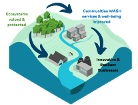
Water stewardship is a proactive and responsible approach to managing water resources. We define Water Stewardship as the use of water that is socially and culturally equitable, environmentally sustainable and economically beneficial, achieved through a stakeholder-inclusive process that includes both site- and catchment-based actions.
Water Stewardship enables water users to work together to identify and achieve common goals for sustainable water management and shared water security. It goes beyond simple water conservation by ensuring that all water users—businesses, governments, communities, and individuals—play a role in safeguarding water quality and availability for both present and future generations.
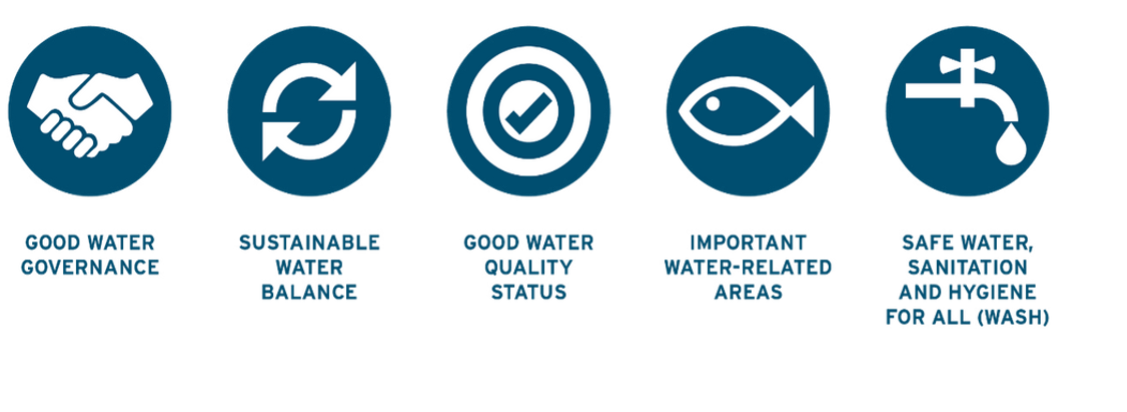
Water Stewardship is transformative and leads to sustainable water management. Key outcomes include improved water quality, reduced consumption, and strengthened ecosystem health, benefiting both people and nature. By adopting stewardship practices, industries and communities can enhance water security, reduce pollution, and mitigate the risks of water scarcity and climate change. Businesses gain regulatory compliance, cost savings, and improved reputation, while local communities experience better access to clean water, protected important water related areas and resilient livelihoods. Ultimately, water stewardship fosters collaboration between stakeholders, ensuring that water resources are protected for current and future generations, supporting both environmental sustainability and economic resilience.
# Why Water Stewardship Matters
Water is a finite and shared resource, essential for life, economic development, and environmental balance. Increasing pressures such as climate change, population growth, and industrial demand make it crucial for organisations and individuals to take a strategic and responsible approach to water use. Effective water stewardship ensures that water is used efficiently, pollution is minimised, ecosystems and human rights to safe water are protected, contributing to water security and climate resilience.
# Key Principles of Water Stewardship
- Understand Water Use & Impact – Organisations and individuals must assess how their water use affects local and global water systems.
- Engage with Stakeholders – Collaboration among industries, governments, communities, and conservation groups is key to sustainable water management.
- Promote Sustainable Water Management – Implementing efficient water use, pollution reduction, and good governance practices helps ensure long-term water availability.
- Support Healthy Ecosystems – Protecting rivers, lakes, wetlands, and groundwater sources is fundamental to maintaining biodiversity, water quality, and ecosystem services.
- Ensure Equitable Access to Water – Water stewardship involves advocating for fair and just access to clean water for all, particularly marginalised communities.
# The Global Impact of Water Stewardship
Water stewardship is essential for achieving the United Nations Sustainable Development Goals (SDGs), particularly Goal 6: Clean Water and Sanitation, which seeks to ensure the availability and sustainable management of water and sanitation for all. However, its impact extends far beyond a single SDG, influencing global sustainability in multiple ways:
- Climate Change Adaptation & Resilience: Water is at the core of climate change impacts, affecting rainfall patterns, droughts, and floods. Effective water stewardship helps communities and industries adapt to these changes by improving water efficiency, supporting natural ecosystems, and implementing sustainable catchment management practices.
- Public Health & Sanitation: Access to clean water is critical for reducing disease transmission and improving public health. Responsible water management prevents contamination of water sources, supports sanitation infrastructure, and ensures communities have reliable access to safe drinking water.
- Economic Growth & Industry Sustainability: Water is a fundamental input for industries such as agriculture, energy, and manufacturing. Sustainable water stewardship ensures businesses can operate without compromising water availability for future generations, reducing financial and operational risks while promoting long-term economic resilience.
- Ecosystem Protection & Biodiversity Conservation: Healthy freshwater ecosystems are essential for biodiversity, agriculture, and human well-being. Water stewardship practices help restore degraded rivers, lakes, and wetlands, protect aquatic life, and support sustainable agriculture and fisheries.
- Water Conflict Prevention & Social Equity: With increasing water scarcity, competition for water resources can lead to conflicts between industries, communities, and jurisdictions. Water stewardship fosters collaboration and fair water distribution, ensuring that all stakeholders—including marginalised communities—have equitable access to this vital resource.
- Corporate Responsibility & ESG Performance: Investors and consumers are increasingly demanding transparency and sustainability from companies. Adopting water stewardship principles strengthens corporate environmental, social, and governance (ESG) performance, enhancing brand reputation and attracting responsible investment.